Use AI to Write Networking Messages That Actually Get Replies
Writing cold networking messages can feel like shouting into the void. Here's how to use AI to draft outreach that feels genuine and actually gets a response.
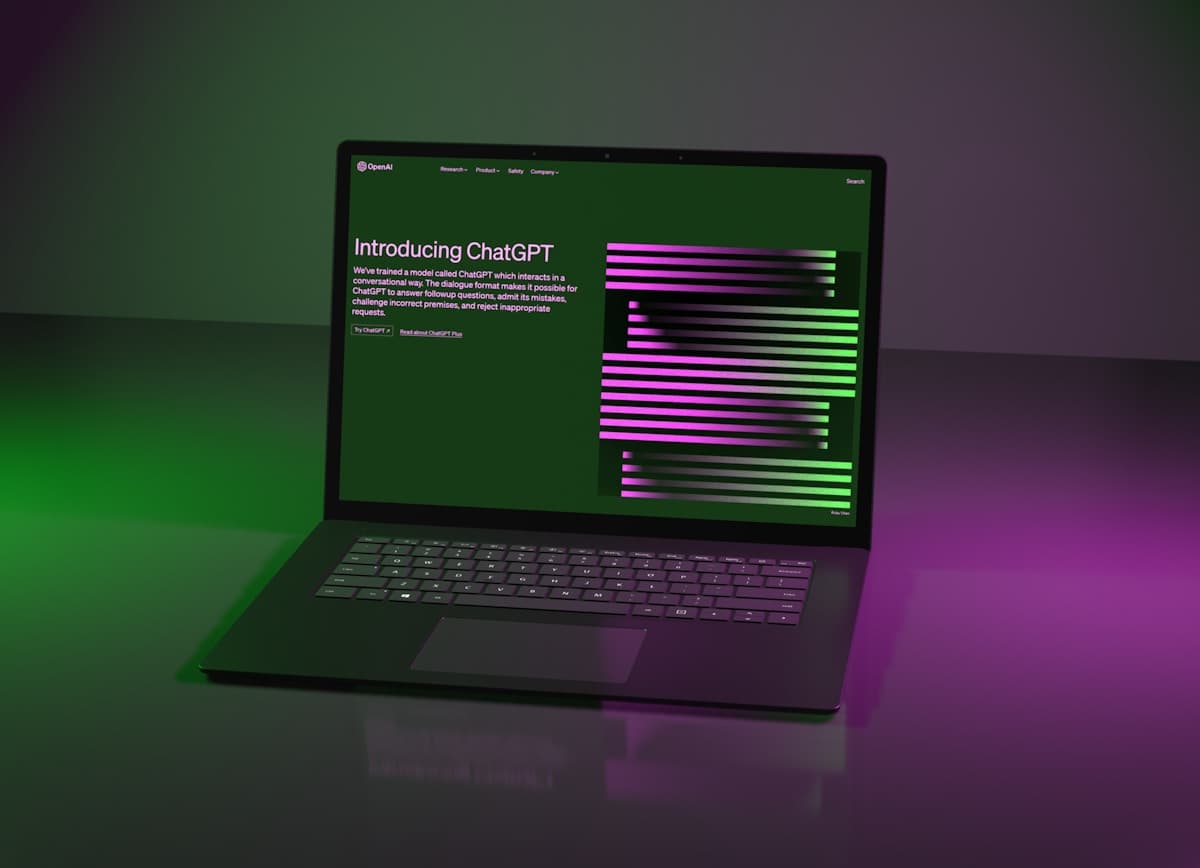
Photo by Deng Xiang on Unsplash
6 May 2026
OpenAI has updated ChatGPT's default model to GPT-5.5 Instant, promising fewer hallucinations, more concise answers, and better personalization. Here is what that means for job seekers.
On May 5, 2026, OpenAI announced it was updating ChatGPT's default model to GPT-5.5 Instant, promising "smarter and more accurate... clearer, more concise answers." So what does this mean for job seekers?
OpenAI confirmed that GPT-5.5 Instant is replacing GPT-5.3 Instant as the default model for all users. According to the company, this new model offers stronger answers across subject areas, uses a more natural tone, and can better draw on context the user has already shared when personalization is helpful.
For job seekers, each of these improvements has direct relevance to their search.
OpenAI's internal testing showed that GPT-5.5 Instant produced 52.5% fewer hallucinated claims than the previous model. These results were specifically cited in relation to high-stakes prompts in areas such as law, finance, and medicine. Inaccurate claims were also reduced by 37.3% on challenging conversations that had been flagged for factual errors by users.
These improvements are especially relevant for job seekers because inaccurate AI output can damage applications. An exaggerated experience on a cover letter, a resume that invents success metrics, or an inaccurate interview answer can quickly undermine a candidate's credibility.
It is important to note that this update does not remove the need to review AI-generated content. You still need to verify what ChatGPT produces before using it. But fewer hallucinations could make it a more reliable first draft partner.
OpenAI says GPT-5.5 Instant gives clearer and more succinct answers, with less unnecessary formatting and fewer follow-up questions needed to get a useful result.
For job seekers, this could make a practical difference across several common tasks:
One of the more significant parts of the update is how the model handles personalization. OpenAI says GPT-5.5 Instant is better at drawing on context from past chats, files, and connected Gmail where available, so users do not have to repeat themselves as often. This feature is rolling out to Plus and Pro users on the web first, with wider availability planned.
For job seekers, this could make ChatGPT feel less like a generic writing tool and more like a career assistant that understands their background.
Instead of repeatedly pasting the same CV, career goals, preferred industries, and work history, you could ask for more targeted help over time:
"Which parts of my CV should I highlight for this job advert?"
"Help me prepare interview answers based on the examples we worked on last week."
"Make this email sound more like me."
OpenAI is also introducing memory sources, which show users what context was used to personalize a response. The company says users can delete or correct outdated memory, remove chats they do not want cited, or use temporary chats that do not use or update memory.
The update makes ChatGPT more useful, but it should never be a substitute for your own judgment. Avoid copying AI output without reviewing it, especially in application scenarios where your authenticity can be the difference between standing out and blending in.
Use ChatGPT as a coach and editor rather than a replacement for your own ideas and voice. Check every factual claim, make sure achievements are honest, remove phrases that sound generic, and adapt the final wording to sound like you.
This latest upgrade from OpenAI could make AI-assisted applications more accurate, more personal, and easier to manage across a long job search.
Used carefully, those improvements could help you produce stronger CVs, sharper cover letters, better interview answers, and more targeted applications without starting from scratch every time.
Please note: The guidance in our articles is provided for informational purposes only and does not constitute professional career, legal, or financial advice. Results will vary based on individual circumstances, and no outcome is guaranteed. Job Hunt with AI accepts no liability for decisions made or actions taken based on the content of this site. Always apply your own judgment and, where appropriate, seek advice from a qualified professional.
In addition, AI tools and platforms evolve rapidly. We make every effort to ensure the information in our articles is accurate and useful at the time of publication, but some details may change as platforms update their features, interfaces, pricing, or terms. We review and update our materials as regularly as possible, but as a small operation, we may not always be able to reflect every change immediately.
As you might expect from a resource built around the ethos of using AI more effectively, some of the content, copy, and images on this website may be created or supported by AI tools. That said, nothing is published without human review, editing, and testing. Our aim is to provide practical, trustworthy guidance that has been checked for accuracy and relevance at the time of publishing.
Keep reading